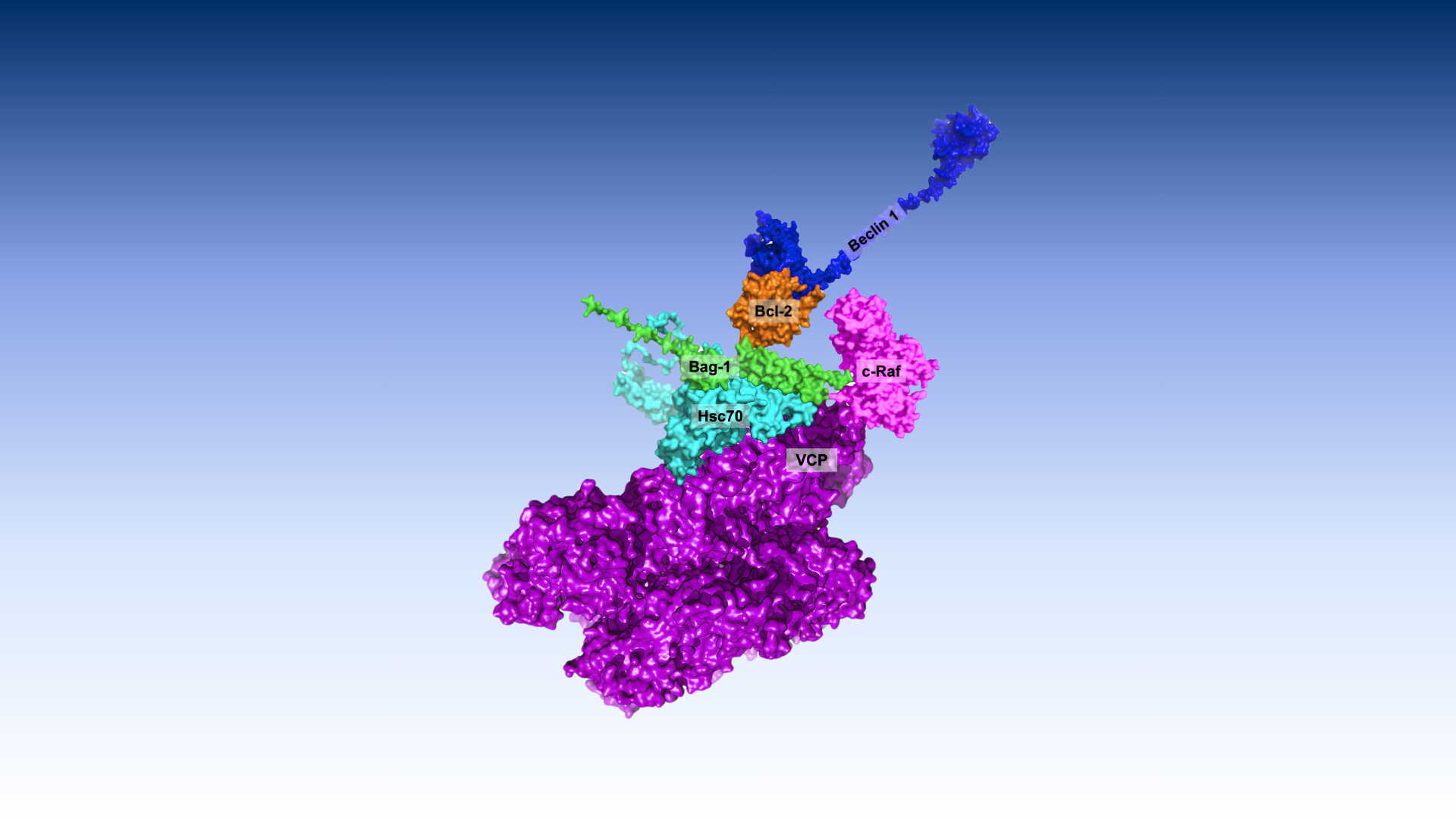
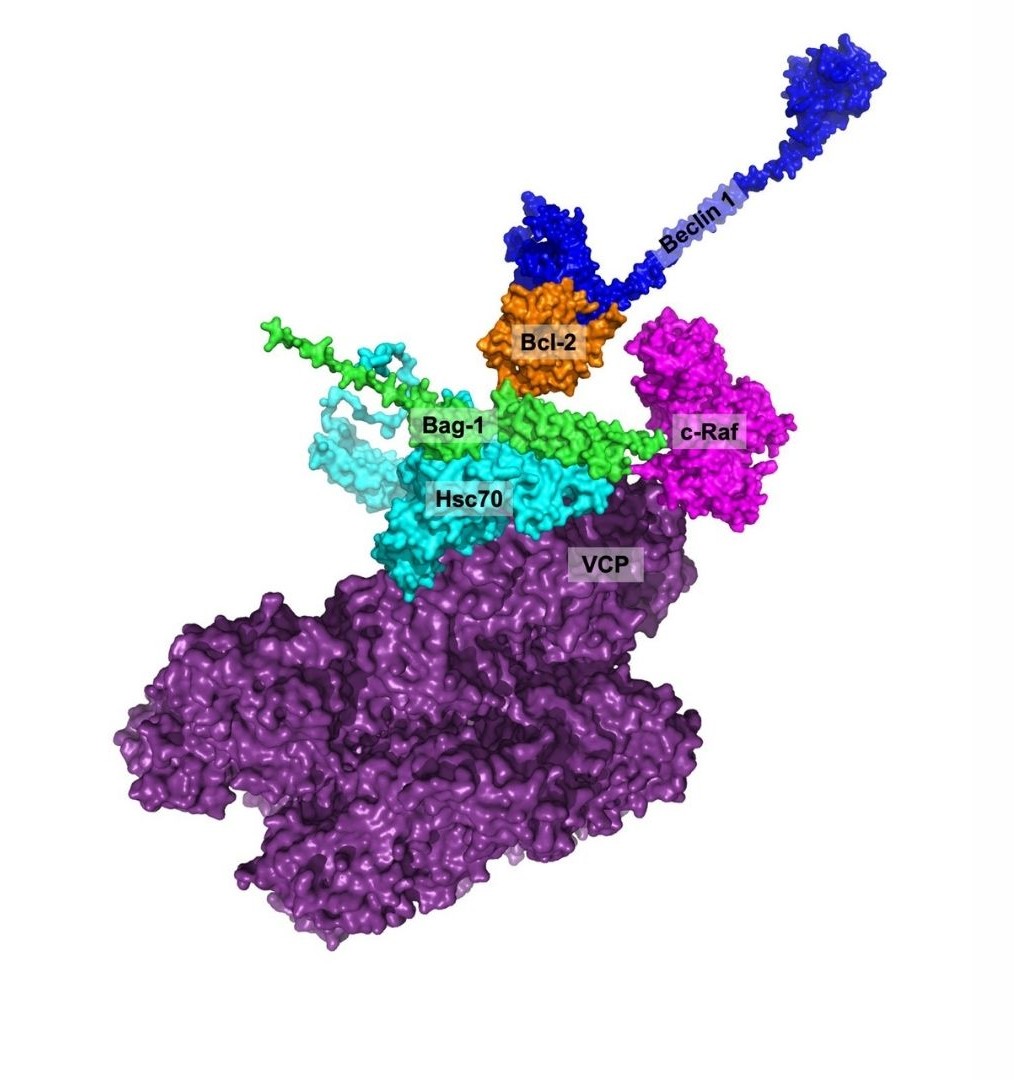
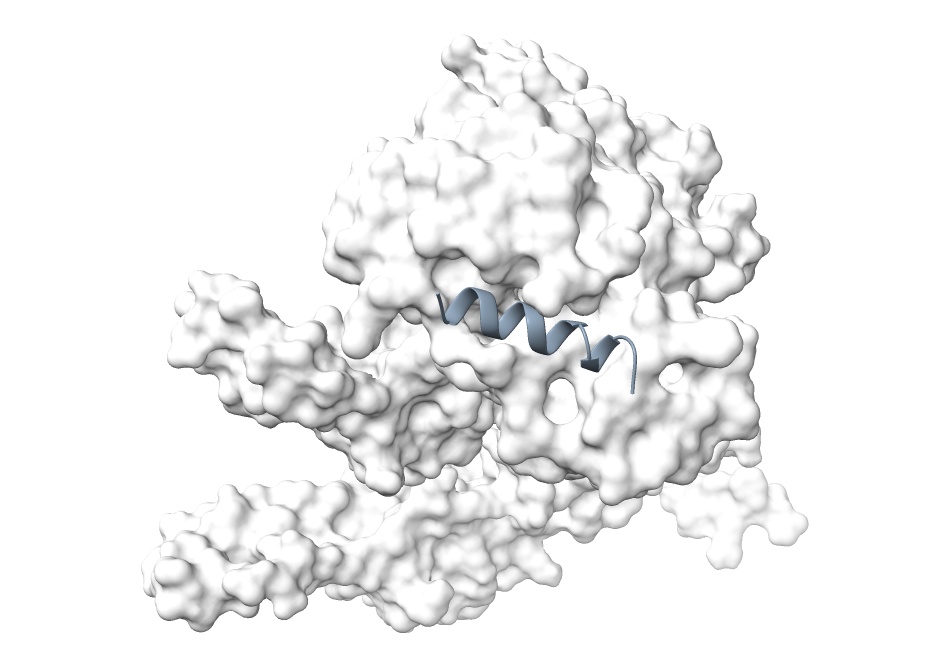
The Dinler laboratory specializes in the molecular and structural biology of fundamental cellular processes, with a strong emphasis on the interplay between apoptosis, autophagy, and chaperone-mediated protein folding. To facilitate our research, we employ advanced biochemical techniques and structural analysis to dissect complex protein-protein interactions, specifically focusing on the signaling networks of the Bag-1 co-chaperones. Uncovering the structural details of these key regulatory proteins holds great promise for understanding cellular survival mechanisms and identifying novel therapeutic targets for cancer and related pathologies. The overarching goals of the Dinler laboratory are to (1) operate at the interface of molecular biology, biochemistry, and structural biology to drive fundamental scientific discovery, (2) provide a vibrant and multidisciplinary research environment at Istanbul Technical University for the rigorous training of young scientists, and (3) maintain a sharp focus on translating our molecular insights into innovative biotechnological applications and potential therapeutic strategies.
Integrating biochemistry, protein engineering, and clinical genetics, our laboratory drives innovation through industrial biotechnology partnerships and translational research aimed at diagnostic solutions.
Our Recent Publication!
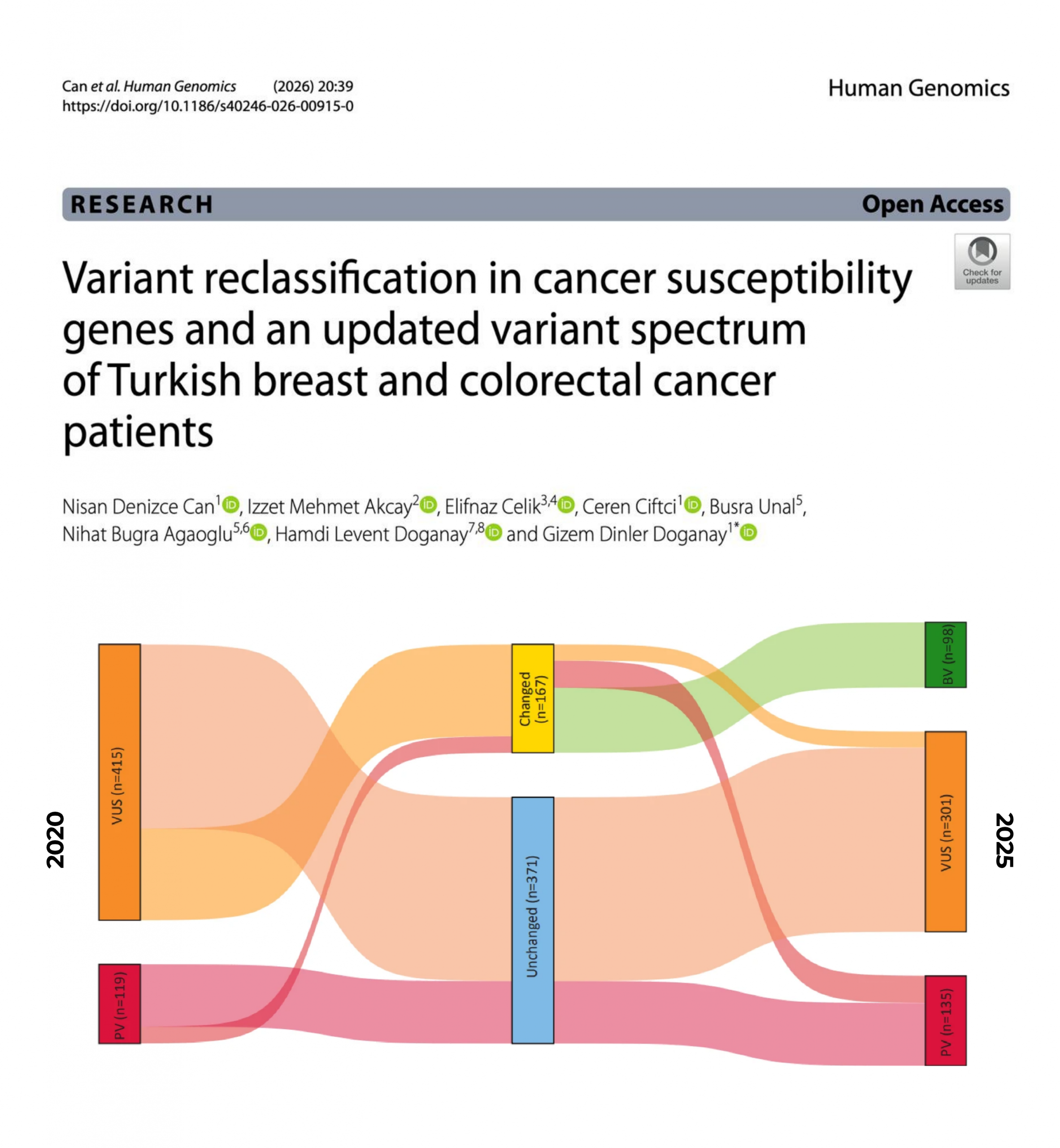
Our laboratory mapped the genetic landscape of cancer in Turkey by analyzing 25 susceptibility genes across 2,500 plus individuals. We identified BRCA1, BRCA2, and CHEK2 as the most frequent mutations in breast and colorectal cancer cases. This dataset enables highly precise hereditary cancer risk prediction tailored specifically to our population. Through systematic reclassification over five years, we successfully reduced uncertain (VUS) results by 9 percent. This enhancement allows for more accurate and reliable clinical decisions for patients. Overall, our research demonstrates how population specific data is essential for advancing hereditary cancer diagnostics.
Dr. Orhan Öcalgiray Molecular Biology – Biotechnology and Genetics Research Center (MOBGAM) Reşitpaşa, Istanbul Technical University, 34469 Sarıyer/Istanbul